
A landscape design can be more impactful when using plants with standout color, texture, or form. I like gardens that have a balance of dramatic plants with year round interest. Read on to learn about plants that add drama to the garden.
Category: Uncategorized
Succulent plants have fascinating textures and colors. Sedums are a succulent species that are cold hardy, heat resistant, and drought tolerant. They are small, but are extremely tough plants ideal for North Carolina. Read on to learn more about some of the Sedum species that I incorporate into my garden and designs.
Categories
Creating a Strong Plant Combination
For the past few years I’ve taught a class at Duke Gardens that focuses on Creating a Colorful Mixed Border. I really enjoy the chance to work with other gardeners and share my experiences on designing a strong plant combination. And, preparing the presentation each year makes me think about my own design process and what I feel is the most effective way to design. Read on to learn more about my process.
I like to incorporate edible plants with unique colors and foliage into my landscape. My neighbors will agree that my raised veggie beds are an exciting addition to my garden. Read on to find out some plants that I use to make my vegetable garden ornamental.
Categories
Plants that Attract Pollinators
Once spring comes to an end, my bulbs are done blooming and my perennial border will soon be buzzing with a multitude of insects and hummingbirds. I depend on them to pollinate some of the plants in my garden, like Ilex verticillata (Winterberry Holly). Read on to learn about some of the plants that I use to attract pollinators.
One of the most common landscaping problems is plants that are spaced incorrectly within a design. When plants are spaced too close together, or too close to the house, they can overgrow their space, crowding each other, losing interior leaves, and deteriorating. When plants are spaced too far apart they leave room for weeds to grow, and fail to be impactful from a design point of view. Read on to learn more about selecting and spacing plants within your garden.
Fragrant plants in a garden are those to be truly treasured. These plants welcome you home each day and are the ones that draw you into your landscape. Read on to learn about plants that I recommend for fragrance in the garden for each season.
Many plants can be utilized to standout in the winter such as witch hazel. The Hamamelis cultivars, including ‘Arnold Promise’ or ‘Carmine Red’, don’t just give stellar color to a winter garden, but add a wonderful fragrance.
One of my favorite fragrant plants is Calycanthus floridus. You may know it as Sweet Betsy, Carolina Allspice, or Sweetshrub. It blooms in late spring and has a fruity scent.
Gardenia jasminoides is a long-lasting summer bloomer that is a great choice for your landscape. There are many cultivars that range in sizes, but what they all have in common is the standout fragrance. This evergreen shrub is a great option for cut flowers.
Another useful evergreen shrub that sends out a nice perfume in the fall is Osmanthus fragrans. Although the flowers are inconspicuous, the scent is remarkable. This plant works in a variety of sun conditions, is deer resistant, and can be used for screening purposes.
Flowers are a great addition to any garden, but fragrance is a wonderful way to intrigue the senses. Interested in adding some of these seasonal fragrant bloomers to your landscape? Contact Bright Leaf Landscaping at 919-475-1015 or fill out our online contact form. Design and installation are our expertise, and we are always happy to meet with new clients to discuss potential projects!
When I meet with clients at this time of year a regular request is for evergreen plants. This makes sense to me, when almost nothing is blooming, the fall color season has past and we are months away from the warm temperatures of spring and summer, focusing on evergreen foliage is a logical choice. One of the many lessons that I have learned from working in my own garden is that while some plants are evergreen, they don’t necessarily look their best in winter. Read on to learn more.
Evergreen ferns – are they worth planting?
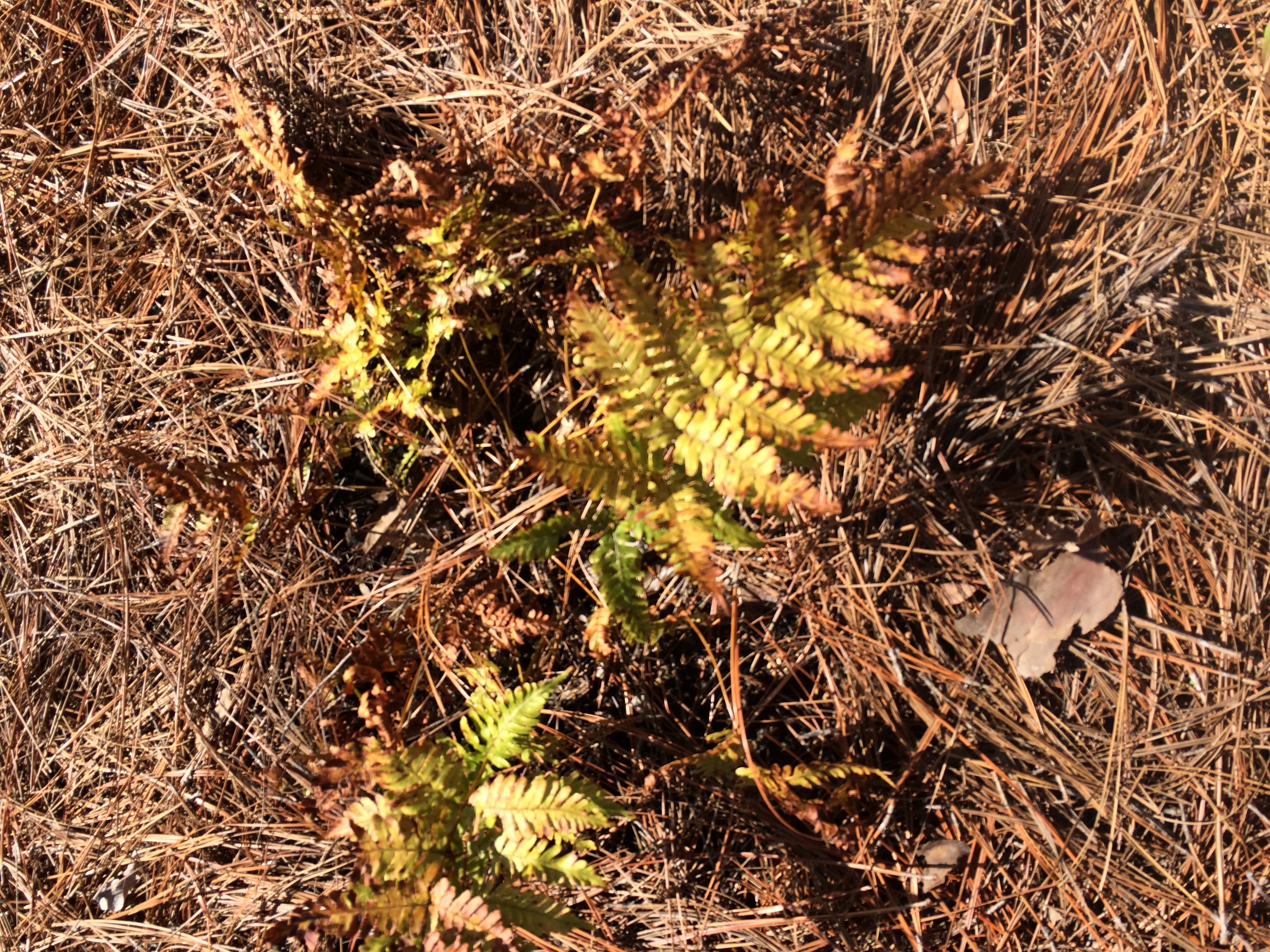
(Autumn fern planted in my yard, after the low temperatures of January 2014).
As we approach the end of the year and the holiday season I find myself looking to add festive decorations to my house, inside and out, without spending too much money. One great option? Using cuttings from plants found in our yards and woods. Read on to learn about some of my favorite native plants to use for cuttings.
Categories
Selecting a Magnolia for Your Yard
I love Magnolias, and I’ve encouraged lots of our clients to add these beautiful trees to their properties over the years. While I tend to use the Magnolia grandiflora (Southern Magnolia) most often, there are other species of Magnolias that have a great deal to add to the garden. Read on to learn about my favorite Magnolia, and those that I should use more.